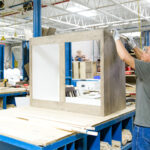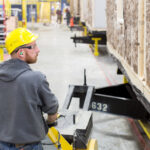





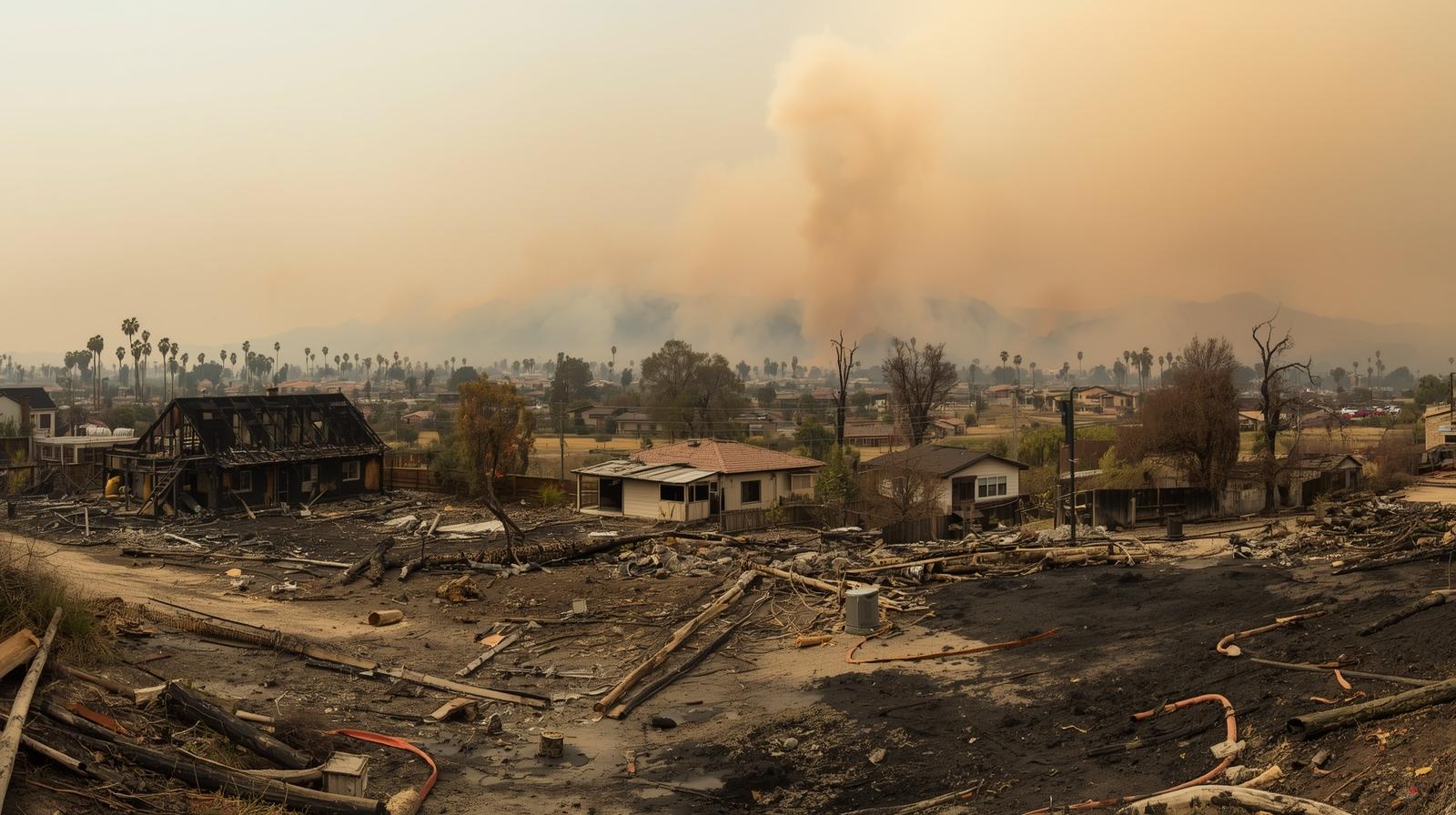
In disaster response, the central constraint is time. Factory-built manufactured housing can support response and recovery efforts by enabling scalable production under controlled conditions while supporting predictable delivery planning.
Why Time-to-Deployment Matters
When communities face displacement, agencies and organizations must balance:
The goal is not merely fast housing; it is deployable housing with reliable execution.
Factory Production Under Urgency
Factory production can continue regardless of weather disruptions that often affect site-built construction. This can support higher predictability and allow production planning to proceed on defined schedules.
Quality Discipline Under Pressure
Under urgency, quality control cannot be improvised. Factory environments are structured around repeatable procedures and stage-based checks that support consistency.
Deployment Planning and Coordination
Deployment includes factors beyond production:
When these are planned early, overall delivery improves and downstream friction declines.
Procurement Alignment Considerations
Institutional stakeholders often require:
A procurement-aligned engagement approach reduces internal review burden and improves coordination.
Next Steps for Agencies and Organizations
The most productive first step is clarifying:
procurement status (exploring vs active)
intended use case
unit count range
timeline urgency