




This article explains how manufactured homes are built in a controlled factory environment at the Perris, California manufacturing facility—and how authorized retailers support final purchase, delivery, and installation.
What “Factory-Built” Really Means
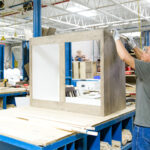
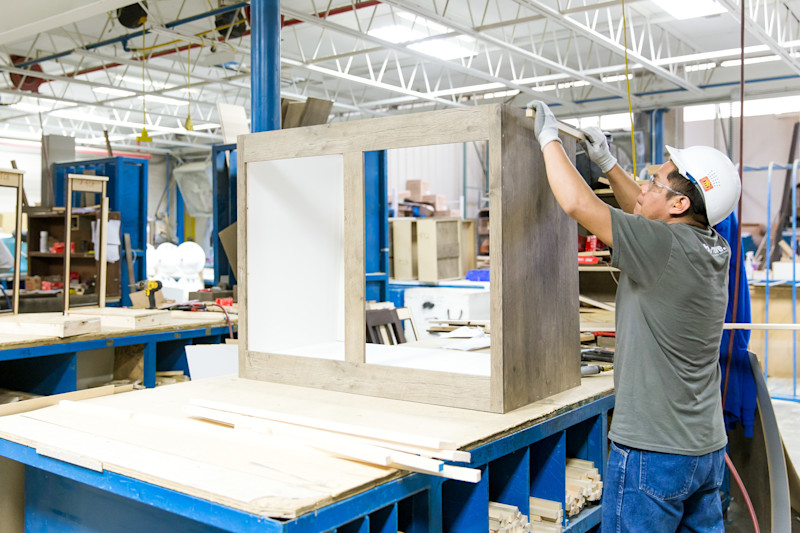
Manufactured homes are built indoors using standardized processes and trained production teams. Instead of construction happening in changing outdoor conditions, key phases of production occur in a controlled environment designed to improve consistency, scheduling reliability, and quality discipline.
Factory building also allows multiple stages of construction to move in a coordinated sequence. Specialized teams complete work at dedicated stations—similar to how complex products are built in other manufacturing settings—so each stage can be completed with repeatable process controls.
Step-by-Step: From Framing to Finish
While the specifics vary based on floor plan and configuration, the manufacturing flow typically includes the following stages:
1) Structural framing
The home begins with the structural framework. This stage establishes the base geometry of the home—walls, supports, and key structural elements that later systems build upon.
2) Mechanical, electrical, and plumbing (MEP) integration
Once the structure is in place, systems are installed in a planned sequence. This includes electrical runs, plumbing lines, and related infrastructure that supports fixtures, appliances, and connectivity. In factory production, these installations are executed within a predictable workflow designed to reduce surprises.
3) Insulation and climate considerations
Insulation and related envelope steps are completed as part of the build process. The goal is performance consistency and predictable installation quality.
4) Interior build-out
Interior finishes follow: wall surfaces, flooring, cabinetry, trim, and related components. The factory environment supports consistent installation procedures and more controlled working conditions.
5) Fixtures, final assembly, and finishing
Fixtures, final alignment steps, and finishing work take place prior to completion. This is where the home moves from “built” to “ready for transport,” with final fit and presentation checks.
Quality Checks and Inspections
A key advantage of factory-built construction is the ability to integrate quality checks throughout the process rather than only at the end. Quality controls typically include:
It is important to understand that quality is not a single event; it is a discipline applied repeatedly during production.
Floor Plans, Options, and Customization
Most buyers start with a base floor plan. From there, configuration choices can affect the final build—such as layout options, finish packages, and feature selections.
A key point: the model you see online is typically a starting point. Final configuration depends on what is selected and what is appropriate for your location and intended use.
What Happens After the Home Leaves the Factory
After the home is completed, the process transitions into logistics and on-site coordination. This is where local conditions matter—site access, local requirements, delivery logistics, and installation planning.
The Role of Authorized Retailers
Authorized retailers are the customer-facing experts who manage the final purchase and local execution layer. That typically includes:
managing customer service through completion
guiding floor plan and option selection
coordinating delivery and installation
handling local considerations and scheduling