




Stay Updated with Clayton Homes Perris Insights

1K subscribers

Whether you’re a homebuyer, dealer, developer, or institution, join thousands staying ahead. Get exclusive tips, factory-built home updates, dealer insights, and industry trends-all straight to your inbox. 

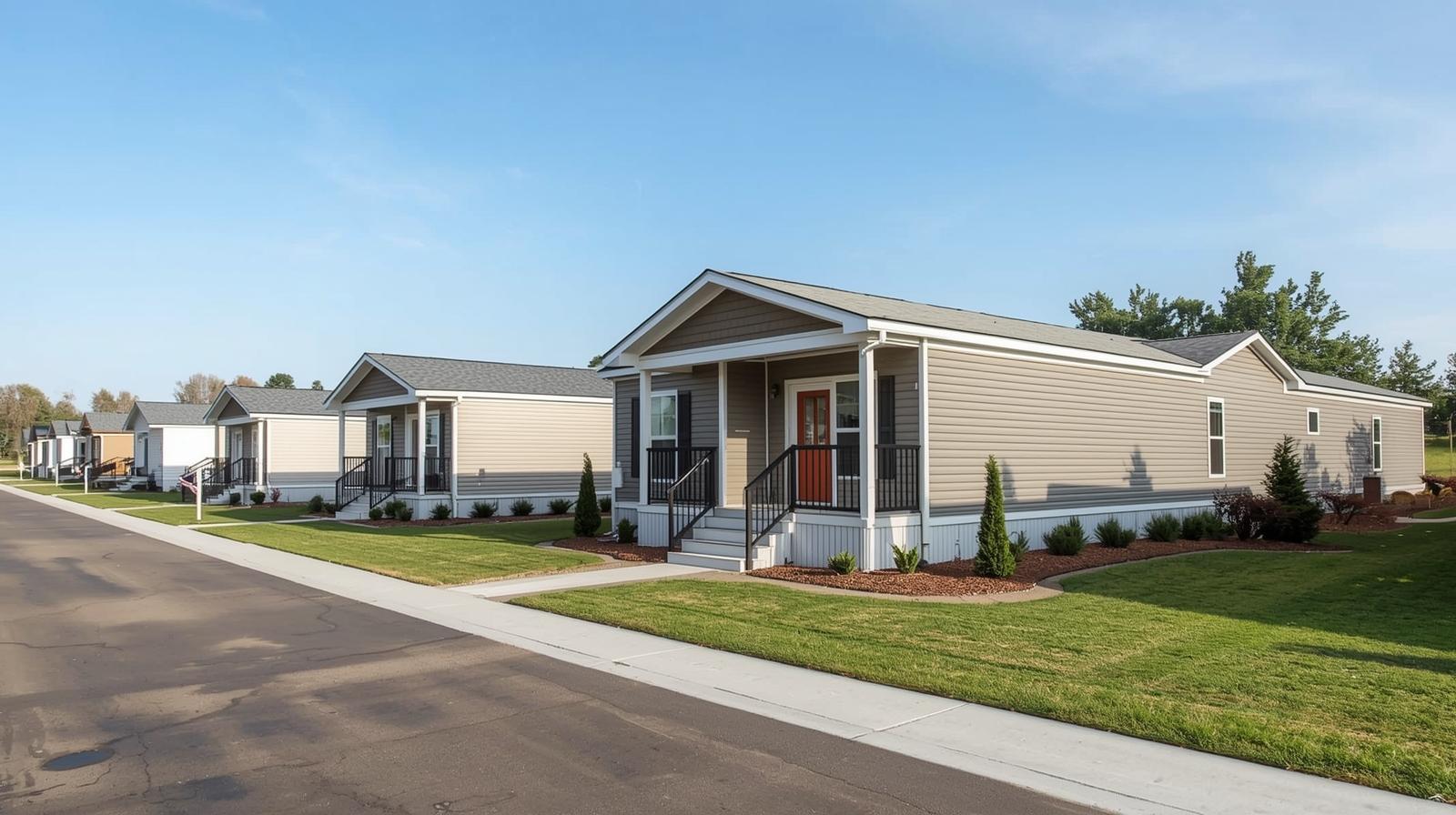
Manufactured Housing for Multi-Unit Developments

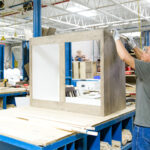
Factory-built manufactured housing can support multi-unit development strategies by improving schedule predictability, reducing construction variability, and enabling repeatable unit delivery at scale.

Why Developers Evaluate Factory-Built Housing

Developers typically assess delivery methods through three lenses:

  • schedule certainty (time-to-delivery)
  • cost control (fewer unknowns and fewer change events)
  • execution risk (variability across crews and conditions)

Factory production is designed to reduce variability and support predictable throughput.

Consistency and Repeatability at Scale

Multi-unit projects often depend on repeatable unit types. Factory production supports repeatability by:

  • standardizing unit construction steps
  • improving consistency across similar builds
  • reducing performance drift between units

This can matter significantly in projects where consistent unit delivery and installation sequencing are central to the financial model.

Schedule Compression: Parallel Workstreams

A core advantage of factory-built approaches is the ability to run workstreams in parallel:

  • site work and infrastructure preparation
  • factory production
  • logistics planning and staging
  • installation sequencing

When planned correctly, this can compress project timelines compared to fully site-built sequences where many tasks must occur serially.

Logistics and Site Readiness Considerations

Factory-built solutions require disciplined logistics planning. Key considerations typically include:

  • site access and staging areas
  • transportation and delivery routing
  • installation sequencing and site constraints
  • permitting and inspection coordination

Projects succeed when logistics planning is not treated as a late-stage detail.

Common Fit Scenarios

Factory-built approaches often align well with:

  • workforce housing developments
  • build-to-rent communities
  • phased developments where consistent throughput matters
  • time-sensitive deployments where predictability is a priority

When to Engage the Factory

Developers should engage early enough to align:

  • unit counts and mix
  • schedule intent
  • logistics approach
  • compliance and documentation expectations

Early engagement improves feasibility clarity and reduces rework later.

Newsletter Updates

Enter your email address below and subscribe to our newsletter

Reset password

Enter your email address and we will send you a link to change your password.

Get started with your account

to save your favourite homes and more

Sign up with email

Get started with your account

to save your favourite homes and more

By clicking the «SIGN UP» button you agree to the Terms of Use and Privacy Policy
Powered by Estatik